
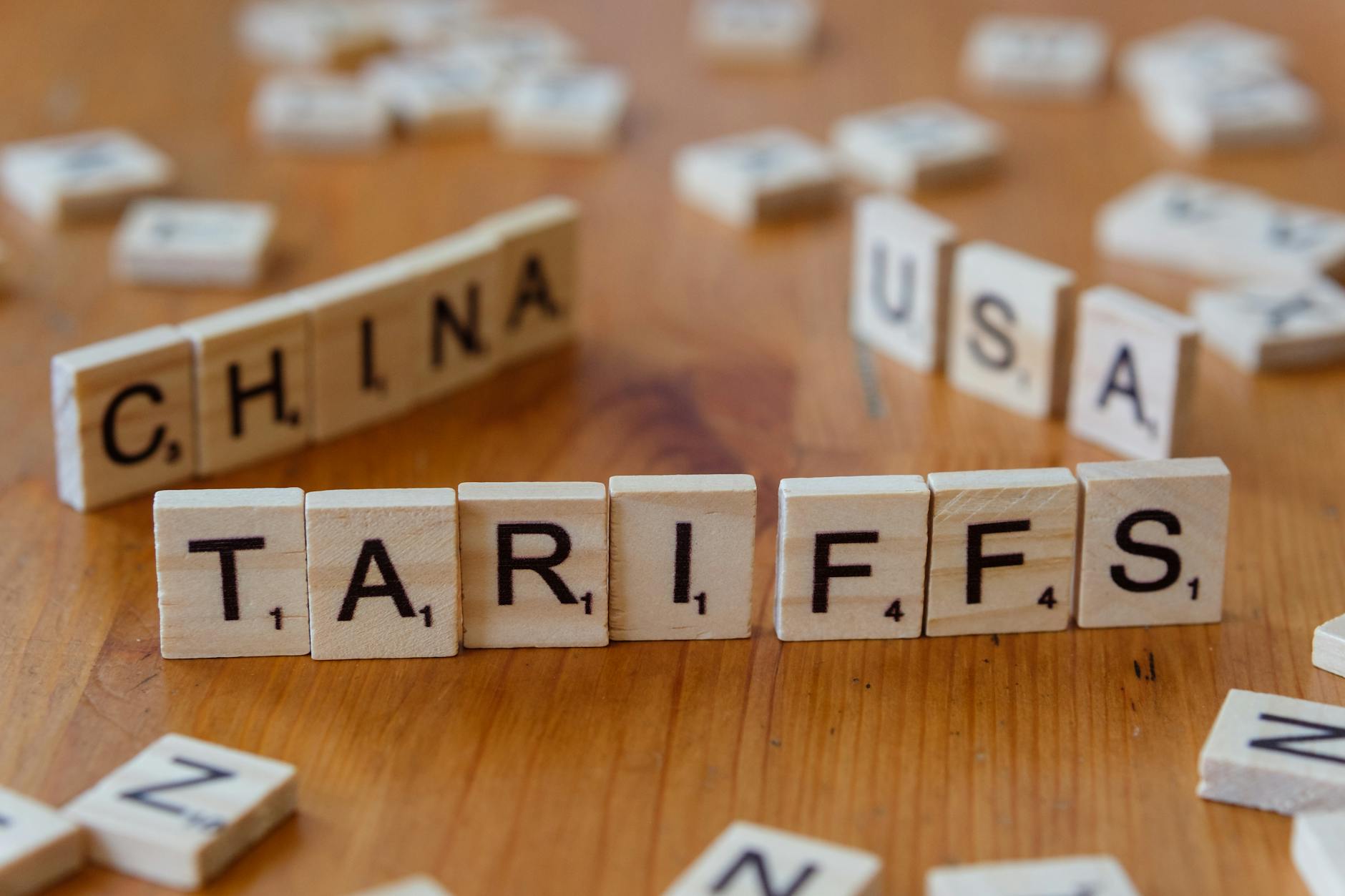
U.S. Tariff Rollbacks Signal Major Policy Shift
The most significant global financial event yesterday was the announcement by President Donald Trump of a sweeping rollback of tariffs on hundreds of food products. This marks a sharp reversal of previous trade policy and is designed to address mounting inflation and consumer cost pressures ahead of the holiday season. The move comes after recent election victories for Democrats, which have intensified calls to ease affordability concerns for everyday Americans.
The rollback primarily targets food and agricultural products not produced domestically in the United States. Tariffs on goods from Ecuador, Guatemala, El Salvador, and Argentina—an important beef exporter—will be reduced, with changes taking effect retroactively from Thursday. However, tariffs on Canadian goods remain unchanged, maintaining a barrier to food imports from Canada.
President Trump insists that previous tariffs did not contribute to inflation and maintains that tariff revenue could offset the costs associated with these policy changes. The administration also recently launched an investigation into foreign-owned meat packers, alleging price inflation in the beef sector. According to the Bureau of Labor Statistics, food costs in the U.S. have risen approximately 18% since 2022, intensifying pressure on policymakers to act.
Impact on Consumers and Holiday Spending
The tariff rollback is expected to provide relief for American consumers, particularly as grocery bills have reached record highs. The timing is critical, with Thanksgiving approaching and inflation continuing to be a top concern. The administration hopes that lowering tariffs will help drive down prices and ease the financial burden on households.
In Canada, the ripple effects of U.S. trade policy are evident. A new Bank of Montreal survey indicates that 61% of Canadians have altered their shopping plans due to the ongoing trade tensions, with 41% planning to spend less this holiday season. Many Canadians have also begun shopping earlier to avoid anticipated price hikes linked to tariffs. This trend reflects broader affordability challenges and uncertainty in cross-border trade.
Canadian Postal Dispute Threatens Holiday Commerce
Compounding economic uncertainty in Canada, labor unrest at Canada Post threatens to disrupt holiday shipping and commerce. Negotiations between the Crown Corporation and its 55,000 postal workers remain stalled, with rotating strikes already underway. Postal workers recently rejected a government offer of a 13% pay raise, demanding 19% instead.
Canada Post, which has not turned a profit in eight years, is on track to lose $1.5 billion in 2025. The ongoing labor dispute raises the possibility of nationwide service shutdowns similar to last year, potentially impacting businesses and consumers alike. Both sides acknowledge that significant changes are needed to ensure the future viability of the postal service.
Broader Economic and Trade Implications
The developments in U.S. and Canadian trade and labor policy have far-reaching implications for global supply chains, consumer prices, and market sentiment. The U.S. tariff rollback is likely to influence international food markets, benefiting exporters in Latin America and Argentina while leaving Canadian producers at a disadvantage. Meanwhile, labor unrest in Canada highlights the challenges facing essential service providers and the broader impact of inflation on wage negotiations and profitability.
Conclusion: A Pivotal Moment for North American Economies
Yesterday’s financial news underscores a pivotal moment for North American economies, as policymakers and businesses grapple with inflation, trade policy shifts, and labor disputes. The U.S. move to ease food tariffs may offer short-term relief for consumers, but ongoing tensions in Canada’s postal sector and unresolved trade barriers signal continued uncertainty. These events will shape market dynamics and consumer behavior in the weeks ahead, making them critical for investors, business leaders, and policymakers to monitor.